


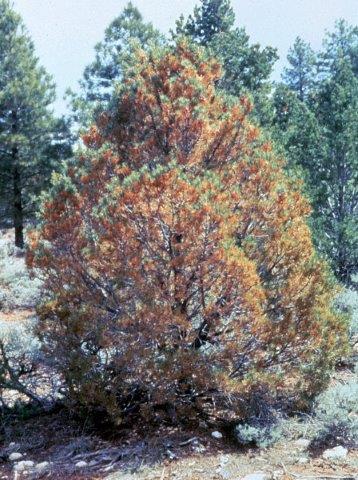
It is important to keep your Piñon pines healthy. Piñon pines are a staple of the Southwest landscape, but these beautiful trees are at risk from Piñon Pine Scale, a pest that can weaken and even kill trees if left untreated. If you’ve noticed yellowing needles, cotton-like egg masses, or black nymphs on your pine needles, your tree may be suffering from Piñon Needle Scale infestation. Here’s everything you need to know about Piñon Pine pest control, including how to identify, prevent, and treat Piñon Needle Scale to keep your trees healthy.
What is Piñon Pine Scale?
Piñon Needle Scale (Matsucoccus acalyptus) is a small, sap-sucking insect that targets Piñon Pines (Pinus edulis). It appears in different forms throughout the year: white, cotton-like egg masses in spring, black, bean-shaped nymphs on the undersides of pine needles in fall and winter, and emerging adult scale insects in April when they lay eggs.
Signs and Symptoms of Piñon Needle Scale Infestation
If you suspect Piñon Pine pests, look for these warning signs:
- Egg masses in spring – White, cotton-like clusters around the root collar, branches, or bark crevices.
- Black, bean-shaped nymphs on needles in fall and winter.
- Yellowing or dropping needles – A sign of stress from the infestation.
- Stunted growth and weak new needles – Infestation can reduce tree vitality.
- Increased risk of bark beetle attacks – Weakened trees are more vulnerable to other pests.
To test if the Piñon Needle Scale nymphs are still alive, try scraping them off the needles with your thumb. If they come off easily, they are dead. If they cling tightly, they are alive and require immediate Piñon Pine Scale treatment.
If you would like us to look at your tree for you, please contact us.
Best ways to keep your Piñon pine healthy & free from Scale
Effective Piñon Pine pest control involves multiple approaches. Applying dormant oil spray in late winter or early spring suffocates developing pests before they hatch. A Dinotefuran insecticide treatment can be used both proactively and reactively to manage infestations. Pruning and disposing of heavily infested branches can help prevent reinfestation, while encouraging natural predators like ladybugs and lacewings can reduce the scale population naturally.
US Forest Service – Healthy Forests
Understanding the Piñon Needle Scale Life Cycle
- April: Adult scale insects emerge; females lay yellow eggs covered in white webbing.
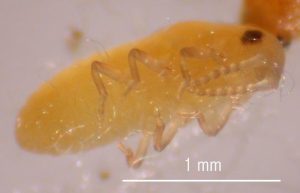
- Late Spring (May-June): Eggs hatch into crawlers (see photo on right) that move to new needle growth.
- Summer-Fall: Larvae mature into black, wax-covered nymphs.
- Winter: The larvae overwinter as black bean-shaped nymphs on the needles.
How to Prevent Piñon Needle Scale Infestations
Keeping your Piñon Pines healthy is the best way to prevent needle scale infestations. Regular tree inspections in spring and fall, proper watering, annual dormant oil applications, and monitoring for other pests like Pitch Mass Borer and bark beetles can help protect your trees.
What Other Problems Can Affect Piñon Pines?
If your tree is struggling, it may not just be Piñon Needle Scale. Other common threats include:
- Pitch Mass Borer – A moth larva that bores into tree trunks, weakening them.
- Needle Cast Fungi – Can cause yellowing needles similar to needle scale but has embedded fruiting bodies.
- Bark Beetles – Often attack trees that are already weakened by needle scale infestations.
If you need professional help with your Pinon Pine Tree, please call 928-379-0063 or complete our online request form.